A Place Remembered Before It Was Found
Most pilgrimage sites have a history. Hemkund Sahib has something rarer — a memory. A Guru described it from a previous life. It took two centuries to find it.
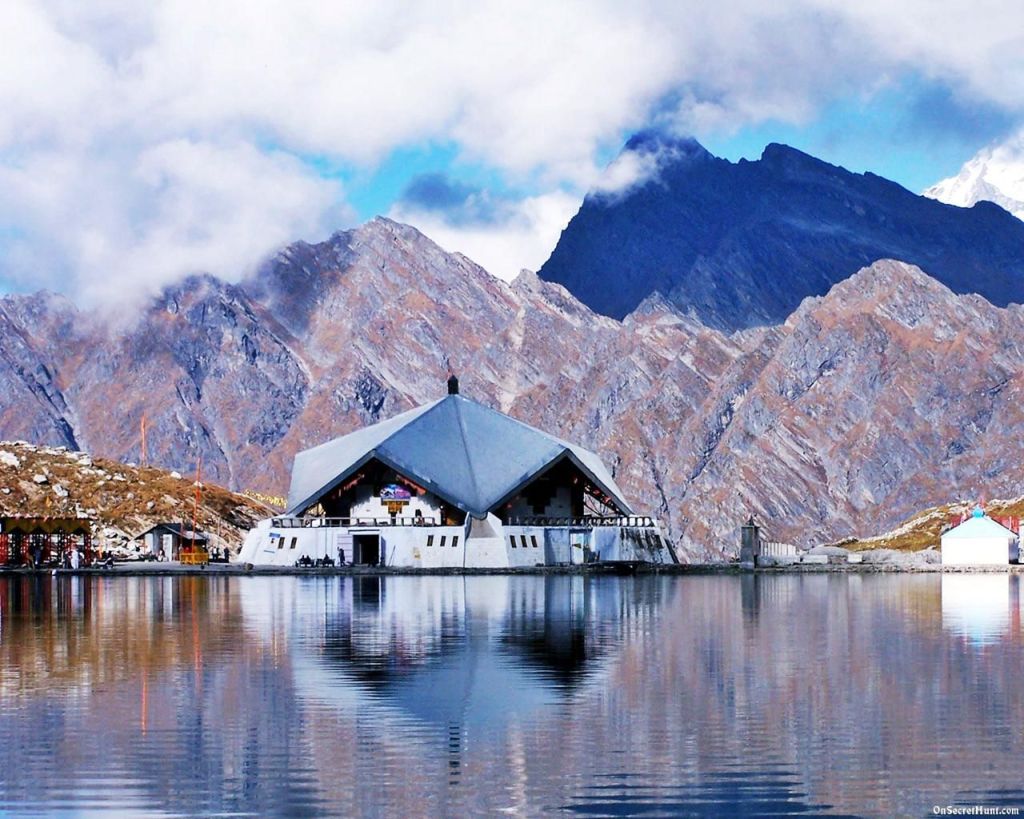
In his spiritual autobiography written in the late seventeenth century, Guru Gobind Singh — the tenth and final Sikh Guru — describes a previous life. Before taking birth in Patna Sahib in 1666, his soul had meditated in the Himalayas. He called the place Hemkunt Parbat Sapt Sring — the Lake of Snow ringed by Seven Peaks. He described it with the specificity of someone writing from memory rather than imagination: a glacial lake, high in the mountains, encircled by seven summits, a place of absolute stillness and complete withdrawal from the world.
For two centuries, nobody knew where it was.
The search began seriously in the late nineteenth century, when a scholar named Pandit Tara Singh Narotam first tried to cross-reference the Guru’s description with the geography of the Garhwal Himalayas. He got close but did not find it. Then in 1930, a retired army man named Sant Sohan Singh trekked into the high Chamoli district and found a glacial lake ringed by seven peaks. The Gurdwara committee he reported to was not immediately persuaded and his account sat largely unacknowledged for years.
But in 1960s Major General Harkirat Singh, Engineer-in-Chief of the Indian Army, visited the site and confirmed that the geography matched the Guru’s description precisely. Then did what engineers do: he organised the construction of a Gurudwara. On a glacial lake at 4,572 metres, in terrain that tested the limits of what could be built and supplied. The present star-shaped Gurudwara, which stands at the lake’s edge with a Nishan Sahib on each of the seven surrounding peaks, was completed through years of effort and is, by any measure, a remarkable piece of construction in an impossible location.
The lake that a Guru remembered from a previous life, that a scholar spent decades searching for, that an army general finally put on the map — it is now visited by over 150,000 pilgrims each year, in the two to three months when the snow clears enough to make the path passable.
How We Ended Up There
I should be honest about the circumstances of my first visit. It was not a decision made from deep spiritual preparation or intense research. It was made because my in-laws had done the trek last year with their community group and come back glowing with the kind of enthusiasm that is difficult to resist over several consecutive family gatherings.
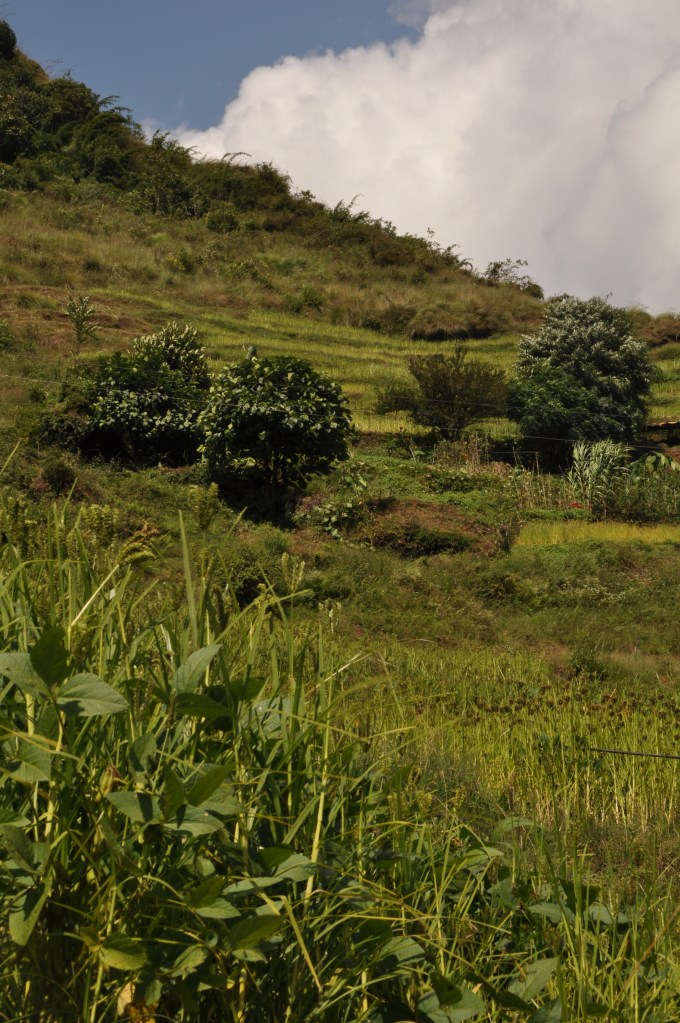
We had recently returned from England. Our daughter was just under two years old. Our son was Six. My wife’s trekking ambitions have always been more measured than mine. This was one of my early mountain experiences, and my approach to preparation, in those days, was roughly to assume that things would work out. We joined a large group of Sikh pilgrims from the community, boarded a bus to Joshimath, and set off.
The journey from Delhi to Govindghat is itself an experience. The bus travels through the night, stopping at Gurdwaras along the way where the group rests, eats langar — the community meal, prepared with the same devotional spirit in which the whole pilgrimage is conducted — and continues. When the bus needs to stop between Gurdwaras, it pulls over at the edge of a river, and someone produces a gas stove and groceries and the group cooks together. I had not done a community pilgrimage of this kind before, and the combination of kirtan from someone’s phone, roadside cooking beside a Himalayan river in the early morning, and the general goodwill of a large group of people going somewhere they care about deeply, was its own kind of pleasure. Preparation for the actual trek: minimal. Spirit: high.
Fourteen Kilometres Up, and Then Five More
Govindghat is located on the Badrinath highway and the Gurudwara here is the base — food, beds, prayers before the start, the gathering of several thousand pilgrims who have converged from across the country for the same purpose. We spent the night there, somewhat overwhelmed by the scale of it, and in the morning the group dispersed up the hill at its own various paces.
The route to Gobind Dham — the midpoint camp — is fourteen kilometres. A proper mountain path, steep in places, busy with pilgrims going both up and down and with ponies carrying those who cannot or prefer not to walk. My family, reasonably, had hired ponies. I hiked, which at that point in my trekking life still felt like the thing to do, and spent the day mixing with the pilgrims around me — elderly men and women in their seventies doing this on bare feet, young families with children on their backs, groups of friends from every part of the country. The barefoot pilgrims deserve a pause. The path is rocky, cold, wet in sections, icy in the early season. The feet of the barefoot pilgrims carry the same weight as everyone else. They do not appear to register the discomfort with any particular drama. Faith is, among other things, a remarkably effective painkiller.
Ten hour hike for me to Gobind Dham. My family arrived by pony in 4 hours, somewhat less thrilled by the experience. A pony going uphill on a narrow mountain path, occasionally alongside a sheer drop, with other ponies and pilgrims on all sides, is less leisurely than it sounds. They needed more recovery time than I did, which felt fair given that I had chosen my own pace and they had been cargo. Fortunately, my son took to it immediately. Six years old, first time on a pony, and within minutes he had found the rhythm that experienced riders spend years trying to learn — his small trunk flexing naturally with each uphill step, not fighting the movement but going with it. He looked entirely at home. The mountain, the altitude, the steep path — none of it registered as a problem. It registered as an adventure
The final five kilometres to Hemkund Sahib begin the following morning. These five kilometres are, by general consensus, harder than the fourteen that came before them. The path is steeper, the altitude higher, the air noticeably thinner. It is also where, in early season, the glaciers appear — sections of the path that are simply ice, which the ponies cannot cross, which means everyone walks regardless of the original plan.
The Toddler, the Back, and the Limca Incident
It was at the start of these five kilometres that our two-year-old daughter made her position on ponies emphatically clear. She would not continue on the pony. This was communicated without ambiguity and was not open to negotiation. The path was steep. The available options were: turn back, which was not happening; find an alternative arrangement, which the mountain did not offer; or carry her.
A makeshift sling was assembled from what we had. She went onto my back. And that is how I did the final five kilometres to Hemkund Sahib — in trekking boots without crampons, on a path that was partly ice, carrying a toddler who had opinions about this arrangement and expressed them periodically, at altitude, at a pace that was considerably more deliberate than anything I had managed the day before.
The focus required was, in retrospect, probably beneficial. There is no room for doubt when you are picking your way across a glacial section of path with a child on your back and a group of barefoot elderly pilgrims moving past you with unhurried confidence. You look at the next step. You put your foot there carefully. You look at the next step after that.
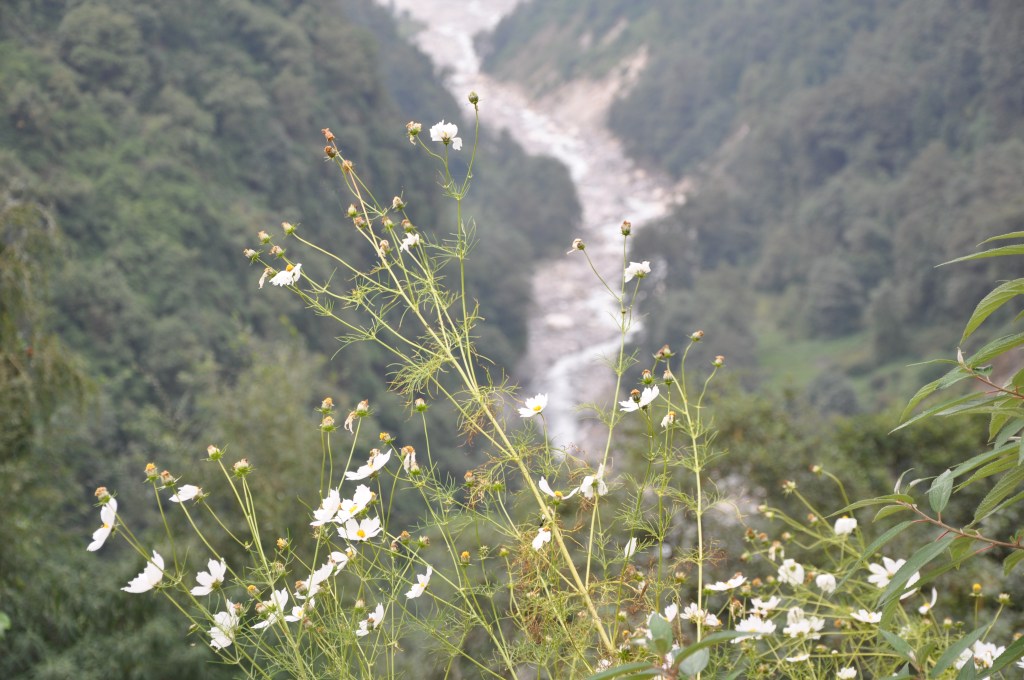
About two kilometres below the Gurudwara, I stopped at a small tea stall — one of the improvised stalls that appear at intervals on every Indian pilgrimage route, staffed by someone who has carried everything up the hill on a mule and is selling it at a price that reflects both the effort involved and a reasonable profit. I bought a Limca. Cold, fizzy, the promise of sugar and citric acid at a moment when the body was lodging a formal complaint. In a moment of inspiration, I added salt with the instinct that electrolytes are beneficial during exertion.
The salt hit the carbonated liquid and the bottle erupted. Not spilled — erupted. The entire contents vanished upward in a column of foam, in the manner of a chemistry experiment that nobody had briefed me on, leaving me holding an empty bottle at 4,400 metres. The physics of carbonation at altitude, where lower air pressure makes dissolved gas escape more readily, had not been factored into the hydration plan.
The toddler, to her credit, thought it was funny. We continued.
The Lake, and the Dip
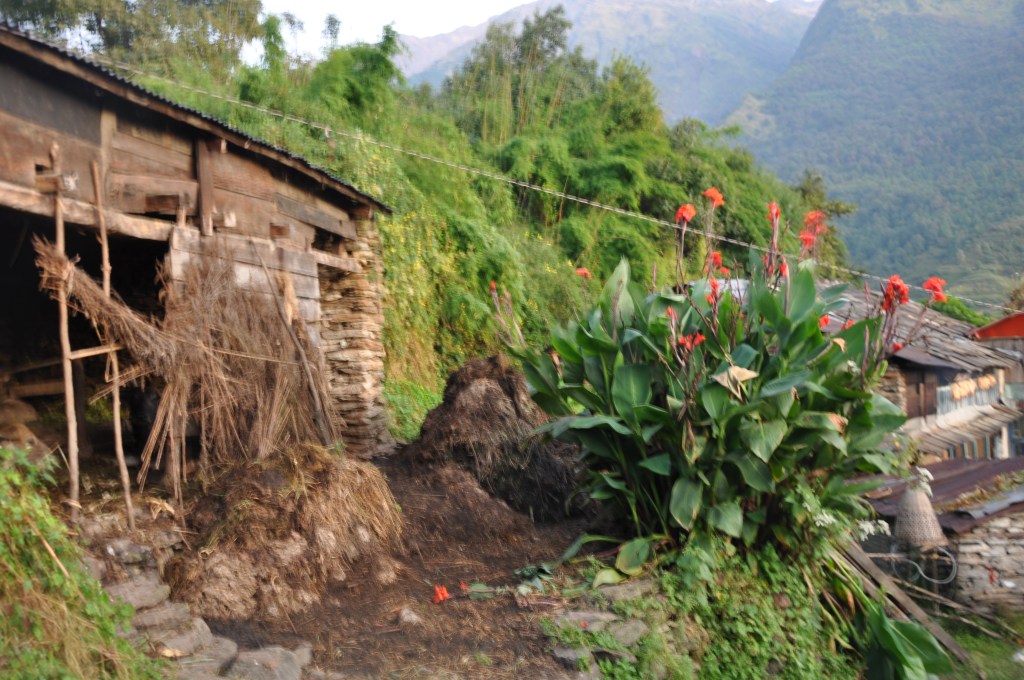
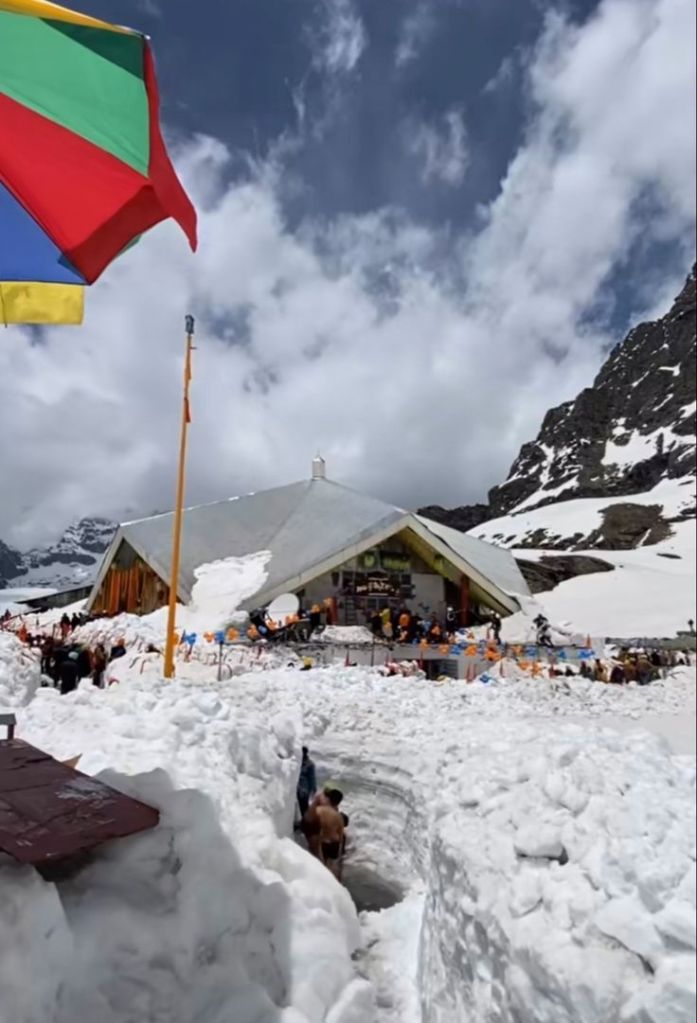
Hemkund Sahib in early season is not what the summer photographs show. The summer shows glacial lake of deep blue-green water reflecting seven peaks, with the white Gurudwara at its edge and pilgrims sitting peacefully at the shore. What we found was a lake frozen — ten inches of crust over the water, and snow on every surrounding slope. The seven peaks were present. The Gurudwara was present, its construction still remarkable at close range. The Nishan Sahibs on each of the seven summits caught the cold light and held it.
My son was immediately delighted. Six years old, confronted with a large area of soft snow on the slopes above the lake, went directly to it and began climbing with the energy that children have at altitude when adults have none. He did not appear to have received the message about thin air.
The ritual that brings most pilgrims here — beyond the prayers and the kirtan and the langar served at the Gurudwara — is the holy dip in the lake. The sacred bath in the glacial water. In summer this is cold; in early season, when the lake is mostly ice, the Gurudwara staff carve a small pool at the edge — breaking the ice slabs away, allowing a patch of open water just large enough for the purpose — and pilgrims take their turn.
Someone warned me before I went in: sixty seconds maximum. You will feel cold, then you will feel warm, and then the body stops responding. That is the sequence. Do not stay past the cold.
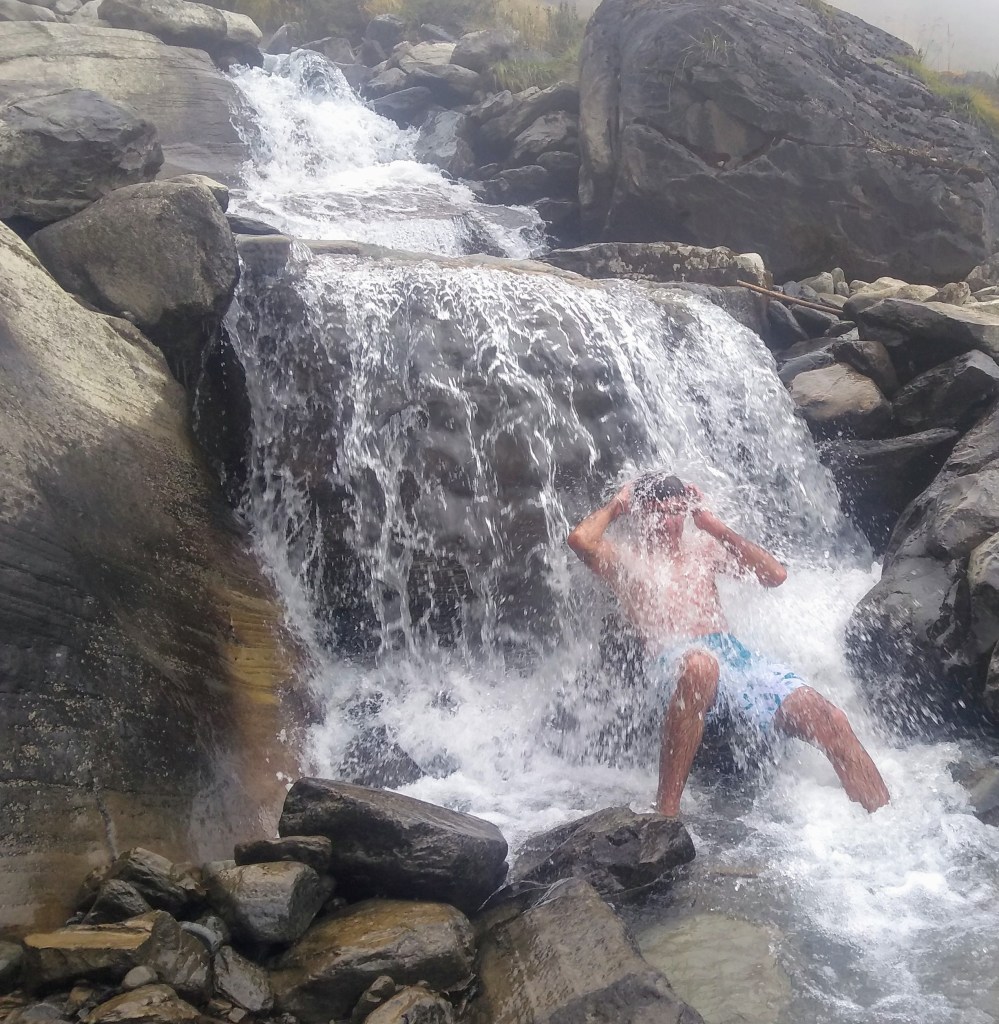
I took the plunge. The cold hit immidiately. There is a moment, in genuinely cold water, where the body registers the temperature with the full force of its alarm system — every nerve ending contributing to a collective message that this was a poor decision. And then, as the blood rushes to the core, something else happens. The tiredness of two days of climbing lifted. The ache in the legs from the final five kilometres with a child on my back became, briefly, irrelevant. The weariness that had been accumulating since Govindghat simply was not there anymore.
I came out after forty seconds, not sixty, which was the right decision. On the ice shelf beside the pool, with barely any dry ground available and the temperature well below freezing, the ice bath experience was exhilarating and became a ritual for my future Himalayan experiences – dip in a lake or shower under a waterfall at each hike.
Inside the Gurudwara, khichdi prasad — the simple rice and lentil offering — was being served to everyone who came through. Hot, plain, prepared with devotion and distributed without distinction. After two days of climbing and a glacial dip, it was one of the better meals I have eaten. A cup of tea followed. The Gurudwara at 4,572 metres, with the seven peaks outside and the ice-covered lake and the Nishan Sahibs and the sound of prayers carrying in the thin air — there is no reasonable way to describe what the combination of physical exhaustion, cold water, hot food, and that particular setting produces. Bliss is too small a word and too large a claim. It was simply very, very good.
A Place Dreamed Across Lifetimes
Walking back down — which is its own considerable exercise in controlled descent, knees registering every one of the nineteen kilometres — I thought about the story that brought this place into existence.
What strikes me about this, returning to it from a pilgrimage is the quality of patience it represents. The place was described. The place existed. The connection between description and place took two centuries to establish…and now a hundred and fifty thousand people a year make the journey up the hill, in the months when the snow allows it, to stand beside a lake that a Guru remembered across the distance of a lifetime.
Some things are worth waiting for.
— Hemkund Sahib, Chamoli district, Uttarakhand
(with apologies to my family, who did not entirely sign up for what they got — and gratitude to the stalwart who warned me about the sixty-second rule, which I almost followed)


Leave a Reply