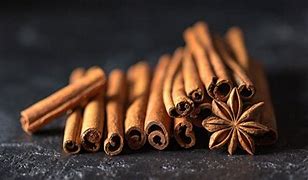
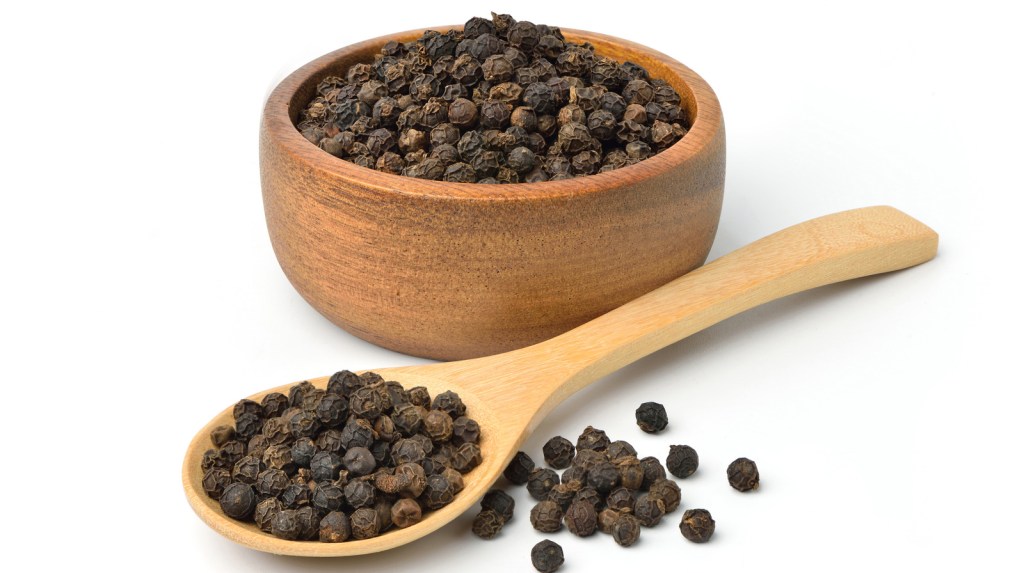
By the late 15th century, the Portuguese were at the forefront of the spice trade. With Europe’s appetite for exotic flavors growing by the day, the Portuguese were determined to control the supply of spices from the East. What they couldn’t obtain through trade, they seized by force—most notably in their quest for pepper.
The Search for Pepper: A Strategic Foothold in India
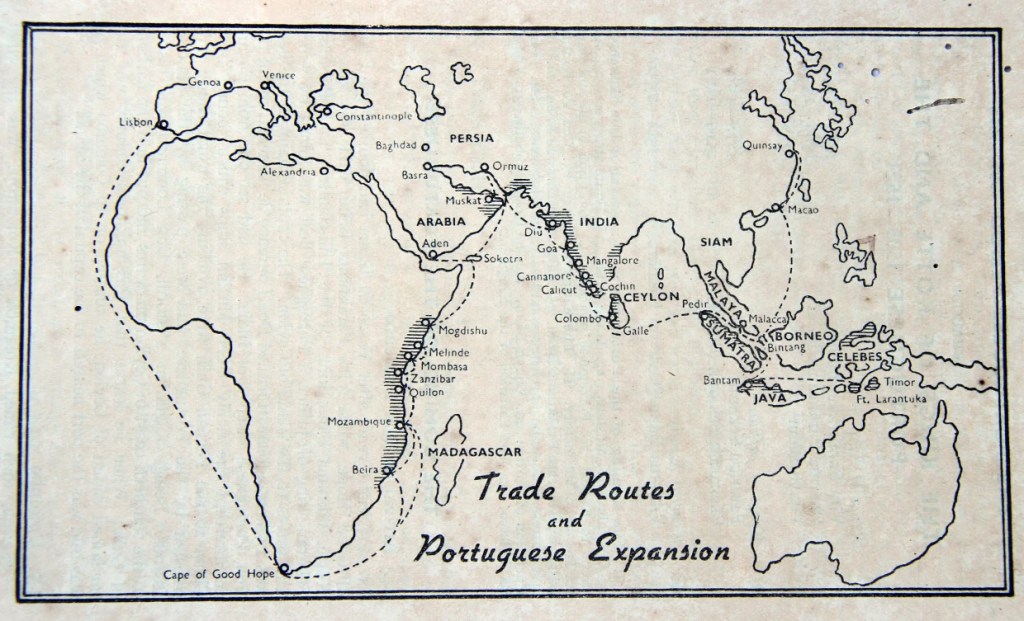
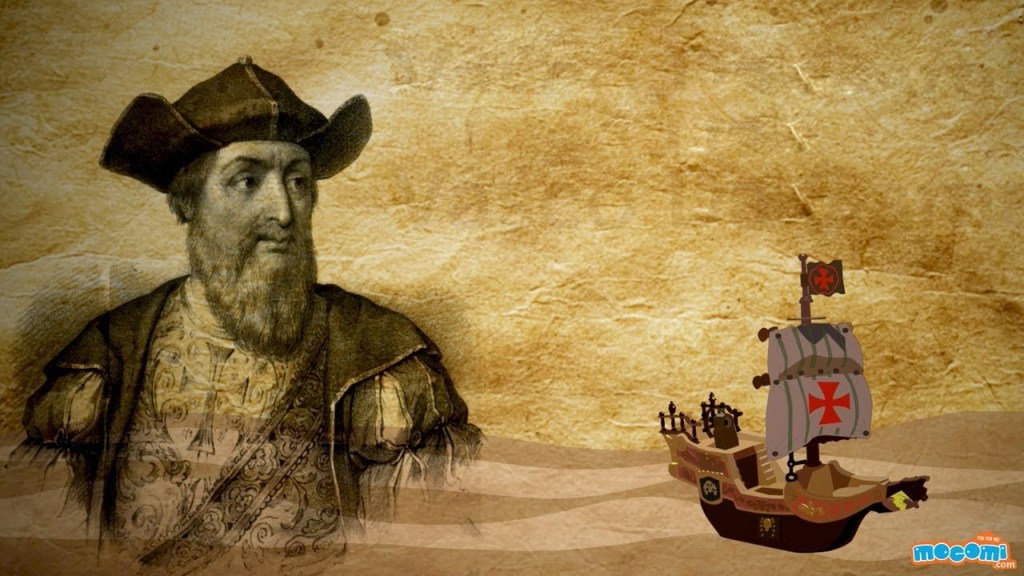
After Vasco da Gama’s groundbreaking voyage to India in 1498, the Portuguese quickly established a presence along the Spice Coast of India, securing their control over the lucrative pepper trade. By 1505, they built a fort in Kerala and appointed their first viceroy in India, solidifying their power in the region. Confident that they had dominated the pepper market, the Portuguese looked southward for another spice that was becoming equally prized in Europe: cinnamon.
Cinnamon: The Rare and Coveted Spice
Cinnamon was an even rarer and more expensive spice than pepper, and its source was a mystery to Europeans. The Portuguese, during their raids on Arab merchant ships, often found cinnamon among the cargo. They suspected its source was somewhere along the Indian Ocean’s coastline, but the waters beyond Kerala remained largely uncharted.
In 1506, the Portuguese stumbled upon the shores of Sri Lanka (then known as Ceylon) after pursuing an Arab ship in a storm. The Portuguese sailors, unaware of the significance of the island, landed on an unfamiliar coast. Eager to meet the local king, they asked the locals for guidance. In an effort to impress the foreigners, the locals led them on an elaborate, three-day journey instead of a short direct route, a detour that gave rise to the local saying “taking the Portuguese to court”—meaning to lead someone on a wild goose chase.
The Cinnamon Trade and the Rise of Conflict
Sri Lanka was not a unified kingdom but a collection of rival states, which the Portuguese exploited in their attempt to control the cinnamon trade. Yet, the island’s cinnamon was fiercely protected by the locals, and resistance was strong.

The arab traders had protected the source and had webbed fancy stories about its rarity and challenge in procuring to drive high prices….one of the most fascinating myths about cinnamon’s origins involves giant birds that supposedly built their nests out of cinnamon sticks high on cliffs. To gather the spice, villagers would kill animals and place them beneath the nests, hoping the birds would carry the heavy meat back, causing the nests to collapse and spill the precious cinnamon.
This myth highlights the intricate process of harvesting cinnamon, which is still performed by skilled workers today. The process involves peeling the outer bark of cinnamon branches to reveal the inner bark—an intricate, delicate task that requires precision.
Conversion and Conquest: The Portuguese Mission
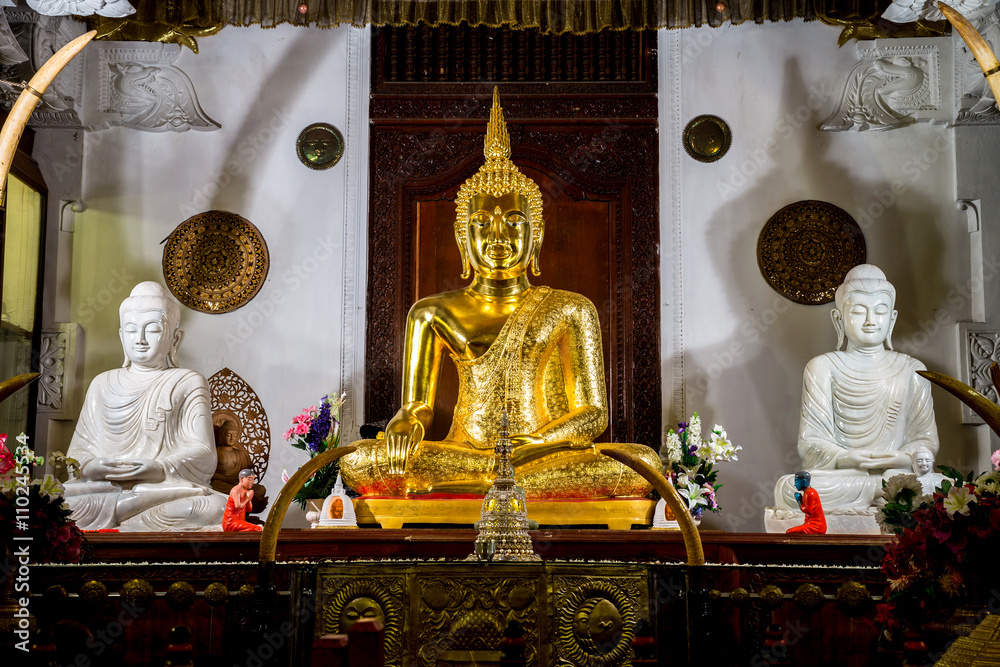
The Portuguese didn’t just seek to control the spice trade; they were also on a mission to convert the local population to Christianity. However, their attempts to dominate the island met stiff resistance, particularly in the Kingdom of Kandy, a region known for its strong Buddhist traditions. The Portuguese believed that by stealing a sacred relic—the Tooth of Buddha— they could break the spirit of the people and secure control. But when they took the relic, it turned out to be a fake, and the people of Kandy remained defiant.
Today, Kandy still celebrates the Tooth Festival, which commemorates the Portuguese attempt to steal the tooth and the enduring spirit of the Kandyan people.
The Spice Legacy: A Rich History
Although the Portuguese never succeeded in fully conquering Sri Lanka, they maintained control over much of the spice trade. Successive colonial powers, including the Dutch and the British, followed in their wake, each exploiting Sri Lanka’s cinnamon and other valuable spices.
The legacy of the spice trade, however, lives on. Pepper and cinnamon, once coveted by European elites, continue to play an important role in the economies of India and Sri Lanka. The people who grew these spices may not have reaped the riches that the European powers did, but the cultures in which these spices are central have remained vibrant and resilient.
Today, the scents and flavors of cinnamon and pepper still fill the air in these lands, remnants of a rich history that opened the world, connected continents, and shaped global trade.

 Poyekhali !
Leave a reply to Sophie Poe Cancel reply