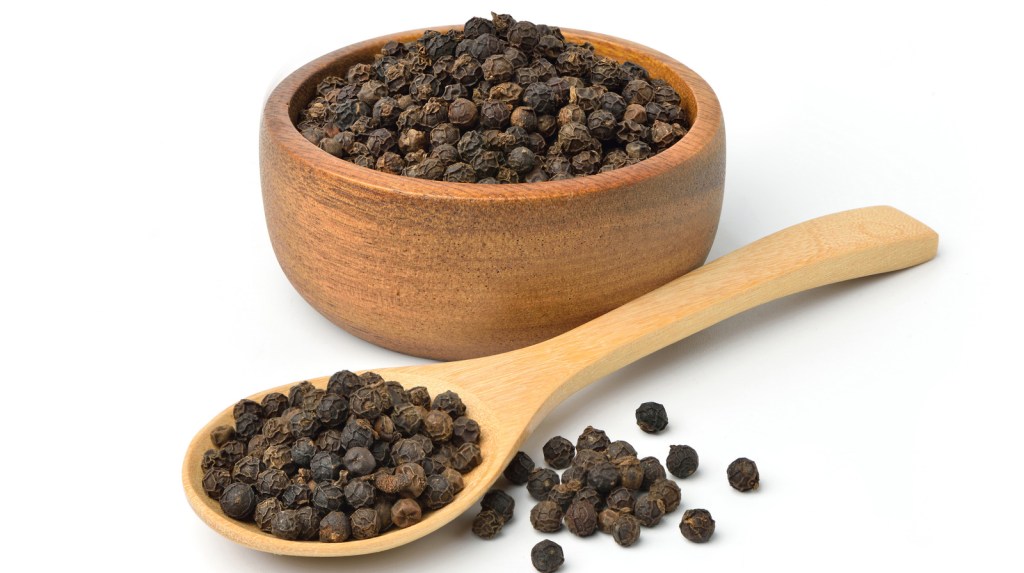
The world loves spice. The exotic ingredients in so many of our favorite dishes have revolutionized the way we eat but the search for these amazing tastes now found in every kitchen cupboard has also changed the course of our history. This blog brings out one of many stories to explore how spices shaped our modern world. The trails of the first spice explorers, whose adventures led to empires being built and destroyed; immense fortunes made and countless lives lost during one of the most exciting periods of discovery in the history of the western world. Let’s embark on a journey through time, exploring how the humble peppercorn transformed the world!
‘Black pepper’ a spice so ordinary and used everyday that we utterly take it for granted and but this was once so valuable it was known as “black gold” and in medieval times. Pepper was indeed worth its weight in gold in those days, when it was used as a bartering currency – pepper coins!. But how did this unassuming creeper become the crown jewel of medieval spice racks? It’s a spicy story, rooted in the mystical lands of Kerala, India – God’s own country, where pepper vines entwine with coral trees, producing berries that pack a flavorful punch.

For centuries in the west, pepper was a luxury item and came with an air of mystique. It’s basically a creeper that clings to coral tree where these little pepper berries, soak up the sun and moisture. Black, green, and white pepper: same vine, different flavors! Leave it for a long sun bath and the tanned dark pungent black pepper emerges, soak it in a long wet bath and a bleached milder version evolves. These little dried berries not only spiced up the food of the rich as serving black pepper to your guests was undeniable proof of your wealth but it was also believed to be a cure for the plague the black death ravaging Europe.
Archaeologists have found evidence of people in India using pepper as far back as 2000 B.C. It appears that there existed some kind of pepper trade between India and Egypt after this, since peppercorns were stuffed into Ramses the Great’s nostrils during mummification.
A couple of thousand years later, the Romans were making a fair bit of bank out of exporting peppercorns out of India. The Siege of Rome in 408 AD, led by the Visigoths under King Alaric I, was settled on honoring the demand for pepper among the terms of surrender. During the siege, the Visigoths, facing a formidable Roman defense, made various demands in exchange for sparing the city from destruction. Among these demands was the request for three thousand pounds of pepper (among other things) in a desperate and futile attempt to avoid being sacked.
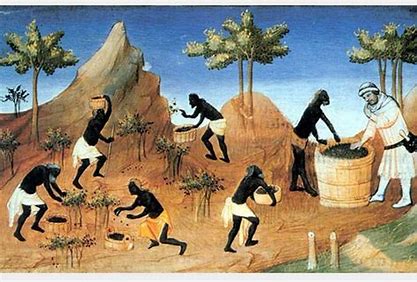
After the fall of Rome, the Arab world came to dominate the pepper trade, and by the 10th century the spice had become well-loved among Europe’s royal families and aristocracies.
India, the land of spices! Was the hidden bank vault …. Pepper was being harvested in india for thousands of years and for centuries the people who sold it to the rest of the world were arab traders they knew where to find it and they weren’t about to let anyone else in on the secret. Back in the 15th century Europeans had no idea how pepper was produced. Arab traders guarded the secret and spun fantastical tales around where and how is it grown. One such legendary tale of the pepper forests was that venomous flying serpents guarding the ripe pepper berries hanging from the trees. To nab those prized pepper berries, brave souls would charge in, setting the forests ablaze. Flames licking the sky, smoke billowing, all to give those berries their signature blackened, fiery flavor. As the flames danced, daring pepper harvesters had to sprint like mad, plucking those fiery little orbs before the serpents could swoop back in for revenge! Those clever Arabs let the rumors fly while they raked in the dough.
Pepper may have been expensive but there was no shortage of people willing to pay the price in the 15th century. The Arabs held all the cards in the pepper trade game. But on July 8th, 1497, Portugal decided to shake things up! Enter Vasco de Gama, the spice hunter, ready to rock the boat and spice up Europe like never before! With sails billowing and spices on the brain, he set off on the ultimate quest for flavor supremacy.
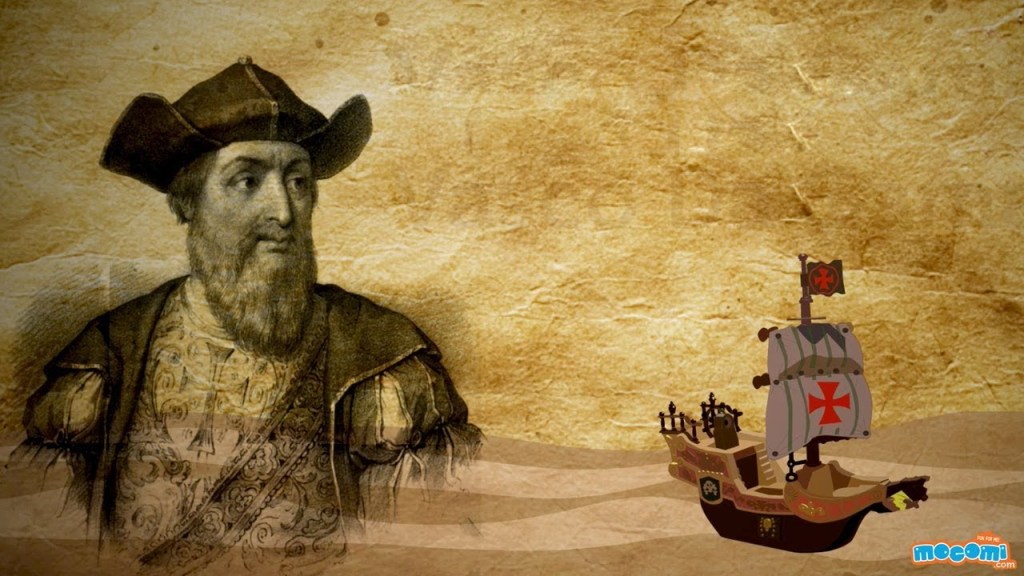
With steely determination and a sprinkle of luck, de Gama’s fleet charted new waters, landing on the Malabar Coast in search of pepper paradise. His men marched up the beach shouting “for christ and spices”. But what awaited them was far from the wild imaginations of European storytellers – instead, they found a bustling metropolis, Cochin, Spice City Central, where traders from every corner of the globe converged in pursuit of pepper.
De Gama found a thriving business community in Cochin, but his sea route to India opened the floodgates for European traders itching to get their hands on that peppery goodness. Portuguese were followed by British, French and Danish, many wars were fought and territories lost and control gained and regained. This period shaped the future of Europe as well as India.
One such linked fascinating tale is Bombay’s journey from a collection of islands to a pivotal British possession, woven with diplomatic maneuvers, strategic alliances, and the complexities of royal marriages. The Portuguese, under the leadership of Francisco de Almeida, succeeded in coastal conquests, they encountered a cluster of seven islands off the western coast of present-day Maharashtra, India. These islands, though sparsely inhabited, held strategic significance as a potential trading hub and naval outpost. The British Empire, with its eyes set on expanding its foothold in the lucrative Indian Ocean trade, engaged in diplomatic exchanges with various European powers, including Portugal. It was during this time that a significant event unfolded in the royal courts of Europe – the marriage between King Charles II of England and Catherine of Braganza, the Portuguese royal princess.
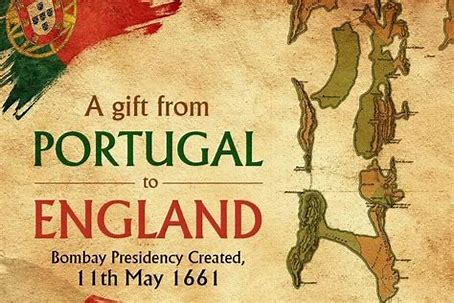
As part of Catherine’s dowry, the Portuguese crown negotiated the transfer of several territories to England, including the valuable island group of Bombay. The marriage treaty of 1661 formalized this exchange, thereby bringing Bombay under British control. However, the British presence in Bombay remained limited until 1668 when King Charles II leased the islands to the East India Company, granting them exclusive trading rights and administrative authority. Over the ensuing decades, the East India Company transformed Bombay into a bustling trading center, attracting merchants, settlers, and artisans from across the globe. So fair to say that the millenium city of Mumbai has a very spicy, peppery, flavorful history!
And thus, the pepper saga continues, a testament to the indelible mark spices have left on our world. From ancient myths to modern delicacies, pepper remains the spice that ignited empires, fueled exploration, and seasoned the story of humanity.
So, the next time you reach for that pepper grinder, remember the epic odyssey that brought it to your table. It’s not just seasoning; it’s a sprinkle of history, a dash of adventure, and a pinch of the exotic that tantalizes our taste buds and fuels our imagination. Spice on, my friends, because history never tasted so good!
 Poyekhali !
Leave a reply to Cooking Up Stories – Poyekhali ! Cancel reply