Remember my earlier blog about the adventurous journey of chillies as they traveled their way to India? It’s a fascinating tale of spice on the move! What’s even more incredible is how these fiery little pods seamlessly blended into an already rich and sophisticated cooking tradition in India. Today, it’s hard to picture any Indian dish without chillies playing a starring role. In fact, some recipes have evolved to revolve entirely around these spicy gems.
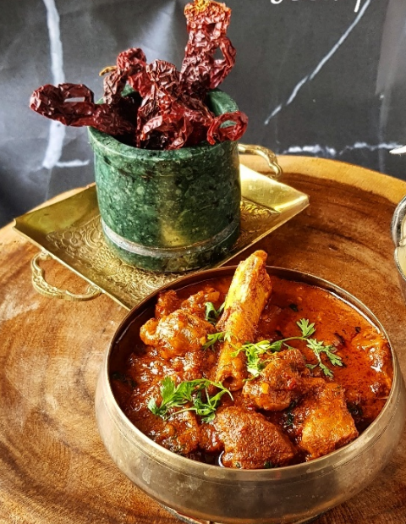
Let’s stretch this spicy journey into the heart of Rajasthan, where the color red is more than just a hue—it’s a flavor, a tradition, and a symbol of the region’s bold culinary spirit. In a land where water is scarce, it’s surprising to see how generously spices, especially red chilies, are used. And nowhere is this more evident than in the iconic dish of Laal Maas-a prime example of this chili love affair- a fiery delicacy that owes its heat to the famous Mathania chilies of Jodhpur. Laal Maas is a prime example of this chili love affair.
Mathania chilies, named after the region in Jodhpur where they are grown, have a heat that’s intense but not overwhelming. They won’t knock you out, but they will certainly make you reach for a napkin to wipe your brow. These chilies are the soul of Laal Maas, giving it that deep red color and the kind of heat that warms you from the inside out.
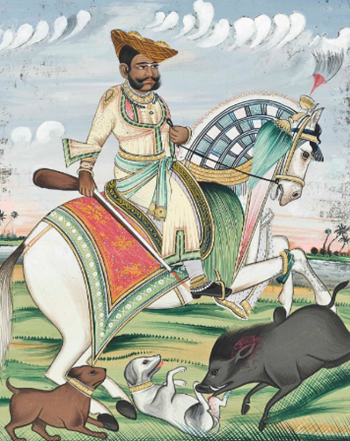
With time, hunting was banned, and the recipe for Laal Maas evolved. Now, it is typically made with goat meat, but the essence of the dish remains the same—simple ingredients, a lot of heat, and a nod to its royal past. While Laal Maas has made its way from royal kitchens to restaurant menus around the world with variations to suit more modern tastes. Yet, ask any purist, and they’ll tell you that the original recipe honoring the age-old methods, cooking Laal Maas on a traditional chulha (wood stove) and sticking to Mathania chilies for that authentic kick remains unmatched.
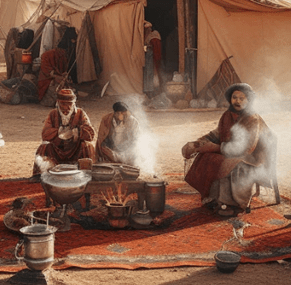
In many homes, cooking non-vegetarian dishes indoors was a big no-no. Men weren’t allowed to bring any leftovers home or store non-veg ingredients, and the household kitchen and utensils were strictly off-limits. In wealthier households, they might have a special area just for cooking meat, reserved for certain days, with its own set of utensils and serving dishes. But for the average middle-class family? Not a chance. So, the menfolk would escape to the forest or by a water body, where they’d cook their lamb in the great outdoors.
Of course, no outdoor cooking session was complete without a splash of alcohol to spice things up. The whole process was an epic affair—peeling garlic, slicing meat, building a fire, roasting spices, and the slow, rhythmic stirring of the pot. It became an all-day event, full of laughter, lively chit-chat, and nostalgic stories of the good old days.
But oh, how times have changed! Today, we don’t have the luxury of time—or the forests and water bodies—to run away to. Pressure cookers and modern conveniences have made laal maas quick and easy, but they’ve also taken away the magic. The romance of cooking under the stars with friends, a bit of tipsy banter, and that charming old-school vibe? That’s something you just can’t replicate.
 Poyekhali !
Leave a comment