Afternoon Cream Tea: A Culinary Delight
Tea is a big deal here in the UK—both as a beverage and as an afternoon meal. When Brits say “let’s eat tea,” they’re referring to the delightful array of snacks served with the tea, known as “afternoon tea” (or “high tea” in some countries). An afternoon tea in the UK isn’t just about sipping tea; it’s a full-fledged experience featuring carefully curated blends served at the perfect temperature in elegant crockery, accompanied by an ensemble of savory and sweet finger foods.
Picture this: afternoon tea served on a three-tier platter. Tea-time sweets go on the very top tier, scones and breads on the second tier, and tea-time sandwiches on the bottom tier. The tea is served in an elegant teapot with specialty teacups and saucers (not mugs). Milk (not cream) and sugar (preferably sugar lumps rather than powdered) are laid out separately. The common platter is shared around the table allthough resturants may charge you a per person charge for the tea.
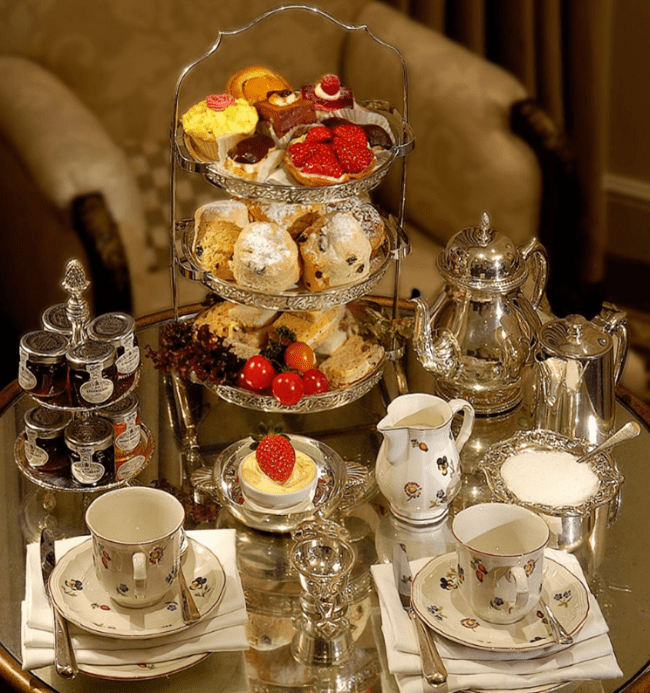
Let’s start with the bottom layer: finger sandwiches. Expect a line-up including smoked salmon, cucumber, and steak on tomato bread (with no crusts). Another popular British sandwich is coronation chicken, a dish invented for Queen Elizabeth’s coronation. It features cooked chicken pieces mixed with mayonnaise and curry powder, sometimes with a few raisins for a sweet touch. Occasionally, scotch eggs or quiches may also make a guest appearance in some posh tea houses.
The second layer of our tea-time adventure features the famous scones, jam, and clotted cream. The set is called ‘Cream tea’.
The top layer is for the sweet treats like small cookies, brownies, and cakes. Palmier with a dollop of mascarpone is a common offering. In classic English style, specific cookies are paired with different blends of tea, and there are big debates on which cookie or biscuit is best for dunking. (That’s a topic for another blog!)
The Star of the Show: The Perfect Brew

Now, let’s talk tea! Posh places will often serve two rounds of teapots. They might start with a first-flush Darjeeling—a delicate tea picked early in the season from immature tea leaves, offering a gentle, nuanced flavor. The second round might feature a stronger blend like second-flush Darjeeling or a blend with Assam, Ceylon, or Kenyan teas.
Some do’s and don’ts of tea etiquette
Begin your tea-time feast with the finger sandwiches and pinwheels on the bottom tier. After savoring the savory items, move on to the scones, and finally, finish with the sweet treats. You can drink your tea at any time, brewed to your preferred strength. Adding sugar is optional, but first-flush flavors are often perfect as they are.
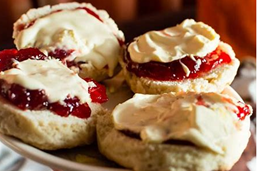
Scones, jam and cream has a delightful debate locally: in Cornwall, they spread jam first and then add the cream, while in Devon, it’s cream first and then jam. Personally, the Devonshire method sounds logical—like spreading butter on toast before the jam. However, the Cornish way has its merits; it’s easier to spread jam on the scone, resulting in a cleaner knife, and the cream stays put without sliding off. It’s worth trying both ways to test the hypothesis.
Back in the day, people poured milk into their fine-china cups before the tea to prevent the delicate material from cracking. The milk would temper the hot tea, making it less likely to shatter the cup. There’s also a theory that adding milk first helps mix the tea well and prevents repetitive strain to the wrist from constant stirring. One thing is clear: to get the right color and flavor, you need to time the steeping and pouring perfectly; too much milk makes it too milky, too little makes it slightly bitter. It’s all a matter of timing!
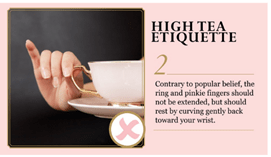
A few fun customs: the pinky-up thing (holding the cup with your little finger sticking out) is outdated and no one’s actually doing that. And slurping? Definitely a no-go. Smelling the pot lid to judge brew strength is like sniffing the cork of a wine bottle—totally unnecessary. Trusting your sand timer or mobile stopwatch is more accurate.
The history of it all
Afternoon tea was invented by the seventh Duchess of Bedford, who needed a pick-me-up around 4 PM. She invited friends to join her, and because she was a duchess, it became a fashionable status symbol. What started as an afternoon snack has evolved into a substantial meal, almost like a decent-sized lunch.
Teahouses and Women: Brewing Change
As tea became popular and Brits successfully grew it in their colonies (a coup on the chinese super expensive secret), tea became the affordable drink for the masses.
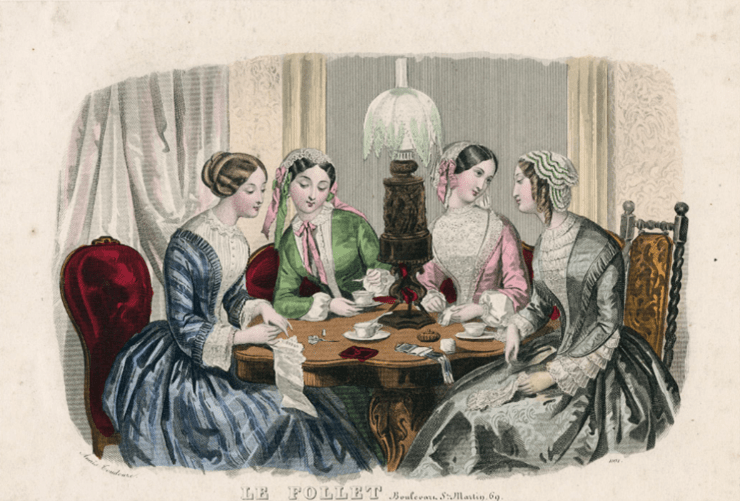
Teahouses in the UK played a significant role in the women’s suffrage movement. During the Victorian era, teahouses became popular spots for women to socialize without male chaperones. These affordable venues allowed women to gather and discuss important issues, like why they didn’t have the right to vote. This environment nurtured the suffragist and suffragette movements, making teahouses a birthplace of social change. Hats off to those ladies who got together over tea and decided to change the world!
So there you have it—a fun, flavorful journey through the world of tea, its rich history, and the cultural icons that make British tea time so special. Enjoy your brew, and don’t forget to savor every sip! Slurrrrrppp!!!
Cheers!
 Poyekhali !
Leave a comment