The story of a foreign leaf, an ambitious campaign, and a very desi makeover.
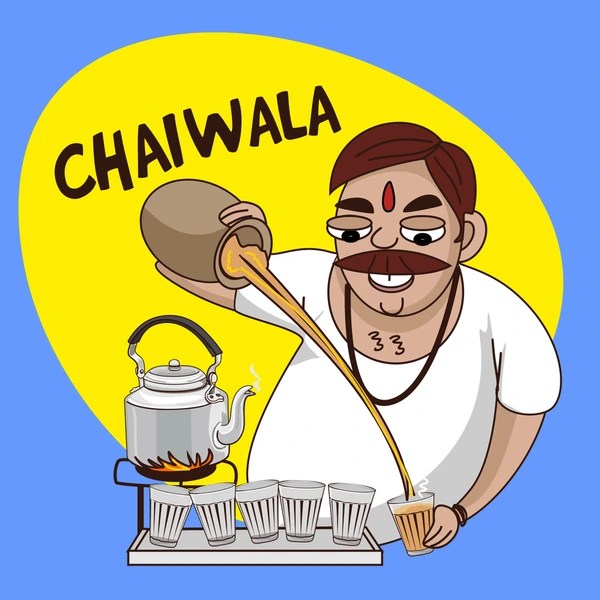
Close your eyes and imagine a crowded railway station in India. The sun is rising, trains are huffing and puffing like overworked dragons, passengers are rushing with bags that look like they’ve packed their entire kitchen, and somewhere in the middle of it all rings a cry you will instantly recognise:
“Chai garam! Chai, chai, chai!”
A chaiwala balances a kettle in one hand, pours steaming amber liquid into tiny cups, and the aroma of ginger, cardamom, and clove curls through the air like a promise. Travellers jostle forward, eager for that first sweet, spicy sip that jolts both heart and mind awake.
It’s a scene that feels eternal. And yet—here’s the twist—barely a century ago, Indians didn’t drink tea at all. In fact, it was eyed with suspicion, a foreign fad. Rumours spread that it was unhealthy, even dangerous. (And yes, the very popular one: “Don’t drink too much, your skin will darken.”) So how on earth did tea, a colonial import, transform into chai, the national heartbeat of India? Let’s pour ourselves a cup and rewind.
Tea Trouble: Britain, China, and Silver Woes
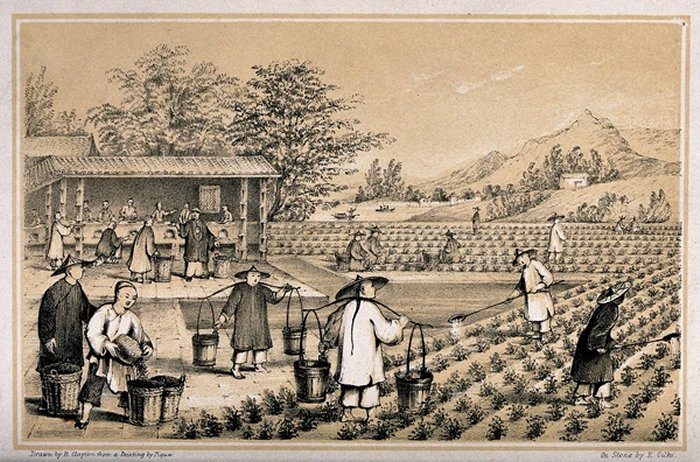
Back in the early 1800s, Britain was utterly hooked on tea—properly hooked, the way we are with our morning chai today. But there was a catch: all of it came from China. The Chinese had strict rules: payment in silver only. No bartering, no swapping, no “two for one” deals. Just silver.
And so Britain’s silver reserves started disappearing faster than biscuits at a tea party. To fix this, the East India Company came up with a plan: why not grow tea in India, their prized colony? Cue plantations in Assam, Darjeeling, and the Nilgiris. Lush green hills soon turned into tea estates. But this tea wasn’t meant for Indians. It was carefully packed into crates and shipped straight back to Europe. Meanwhile, locals happily stuck to their buttermilk, lassi, and kadha. Tea? Too foreign. Too suspicious. Too British.
The Great Depression and a Giant Kettle on Wheels
Then came the 1920s and the Great Depression. Tea exports nosedived. The British tea industry was in crisis mode. Enter the Indian Tea Association (a club of British planters) who hatched a bold idea: turn Indians into tea drinkers.
Easier said than done. Most Indians didn’t trust the stuff. Some believed it ruined health, others thought it was poison, and the skin-darkening rumour refused to die. The ITA realised they needed a full-on charm offensive.
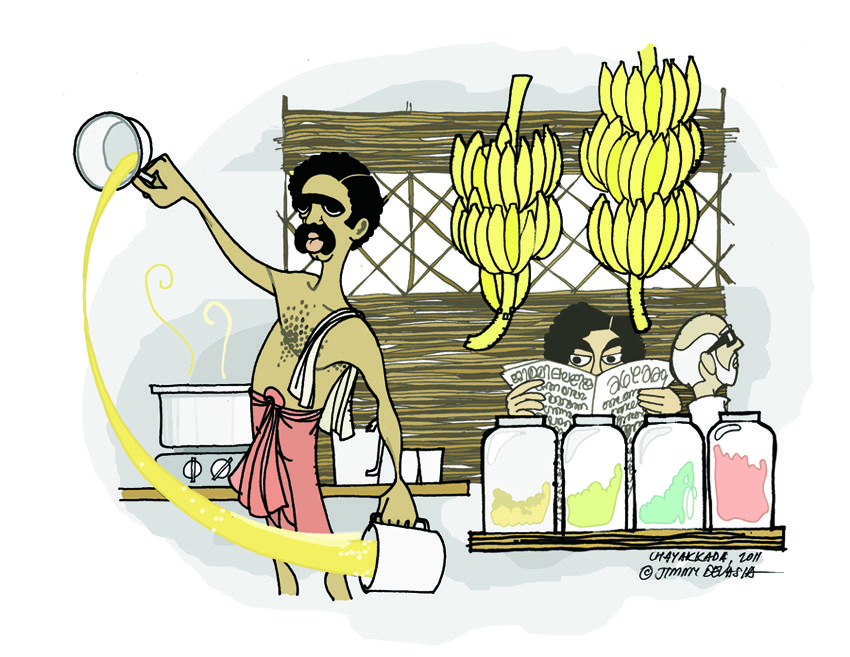
And so, in the 1930s, the Tea Committee rolled out the big guns—literally. Advertisements plastered railway stations and newspapers, showing step-by-step brewing instructions. Posters promised tea would boost stamina, give energy, and basically turn you into a superhero.
But the pièce de résistance? The “Kettle Campaign.” Picture this: giant trucks decorated as oversized kettles rolling through Bengal, Bihar, Uttar Pradesh, and Maharashtra. At every stop, demonstrators put on live shows of how to brew tea “the proper way”—boil it, boil it, and then boil it some more. This was not just about taste, but about reassurance: if it’s boiled, it’s pure. And guess what? The method stuck. To this day, most Indian households boil their chai into bubbling oblivion—and love it that way.
From Black Tea to Masala Magic
The British thought Indians would copy them: sip black tea, maybe with a dash of milk. But we had other plans. Indians took the bitter leaf, softened it with milk, sweetened it with sugar, and then turned up the volume with spices: ginger for warmth, cardamom for fragrance, clove and pepper for punch.
The result? Masala Chai. A drink that was more than a beverage—it was an embrace, a comfort, an energy boost, and a conversation starter, all in one steaming cup.
By the 1940s, chai was no longer a foreign fad. It had become the lifeblood of Indian daily life. Factory workers slurped it during breaks. Students burned the midnight oil with it. Families bonded over it. Strangers became friends at roadside tea stalls.
Chai was no longer just a drink. It was democracy in a cup.
Chai Goes Global
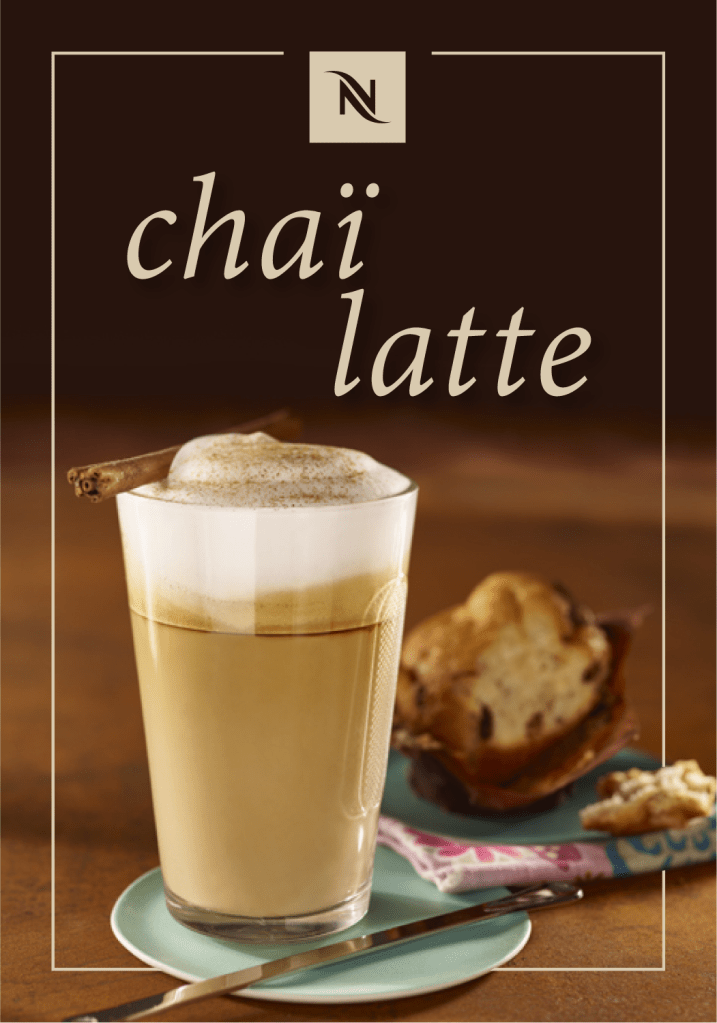
Fast forward to today, and chai is as Indian as cricket and monsoons. Chaiwalas still rule railway platforms, office corridors still echo with “chai break,” and homes still welcome guests with a cup (and maybe a Parle-G biscuit on the side).
And globally? You’ll find chai lattes on menus in hip cafés from New York to Melbourne. Of course, the name makes Indians chuckle—because “chai latte” is basically “tea tea with milk.” But hey, imitation is the sincerest form of flattery.
What began as a British import has become India’s national obsession, a cultural bond, and a global export with desi soul. So next time you sip chai, remember: you’re not just drinking tea—you’re tasting history, resistance, and reinvention, spiced to perfection.
 Poyekhali !
Leave a comment