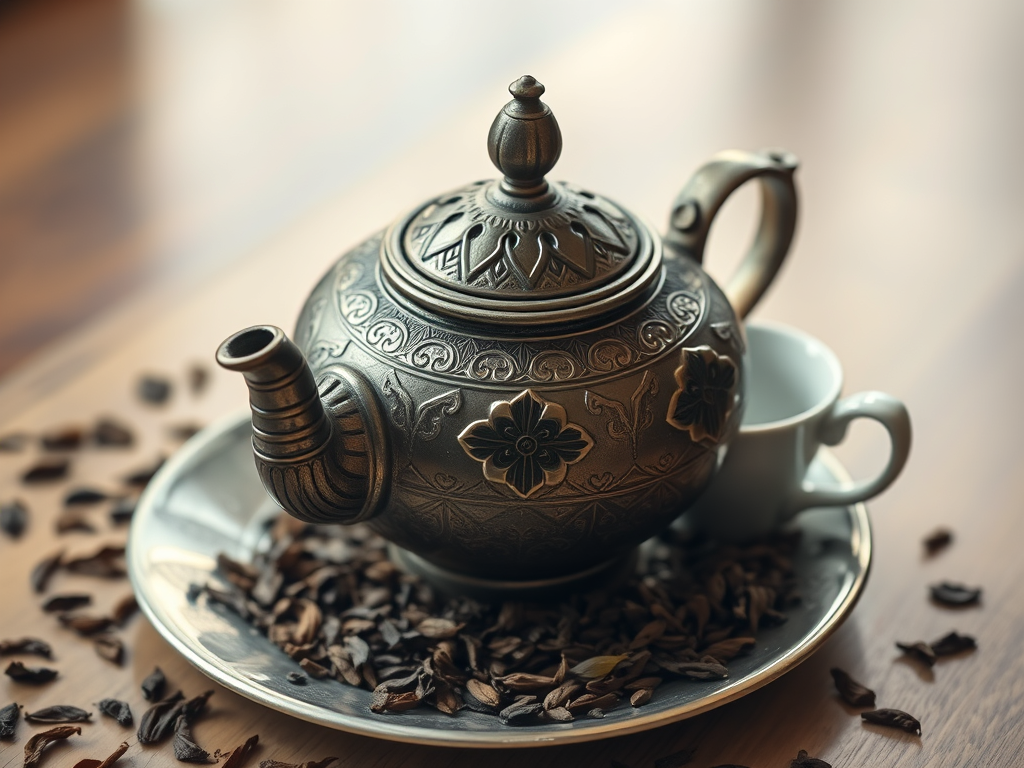
It’s amazing how a humble leaf has turned into a global obsession—and with so many types of tea out there now, it’s no longer just a matter of “milk or sugar?” From wok-fired green teas in remote Chinese villages to extravagant brews fertilised with panda droppings (yes, really), the tea world is as diverse as it is delicious.
Tea may be one of the world’s most popular drinks, but did you know that the Irish drink more per person than almost anyone else—second only to the Turks? Six cups a day is just standard. You have to wonder if that’s before or after the Guinness kicks in. Meanwhile, India is both the biggest tea producer and still manages to drink more than it makes. Chai isn’t just a drink there—it’s a lifestyle, a love language, and a daily ritual rolled into one.
The Basics: From Leaf to Legend
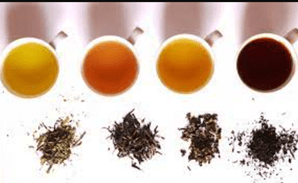
Let’s brew some basics. Tea comes in many varieties, each with its own backstory and character.
Green tea, the original diva of the tea world, has deep roots in ancient China. It’s typically hand-plucked, sun-withered, and gently dried in wok-like pans—methods still used today in villages like Lakchong, where tradition hasn’t budged in centuries.
Then there’s black tea, the bold global favourite. It came into its own thanks to British planters in India and the invention of the CTC (Cut-Tear-Curl) process. This industrial technique gives your morning brew that strong, malty kick—and is likely what’s hiding inside your everyday teabag.
Oolong sits somewhere in between—semi-fermented, mysterious, and very much the broody middle child. Fancy names like Lapsang Souchong (smoked over pinewood) and Gunpowder tea (rolled into pellets that bloom during brewing) make this family of teas sound like characters in a martial arts film, and honestly, we’re here for it.
Then there’s Darjeeling, often mistaken for black tea but actually a kind of oolong. Nicknamed the “Champagne of Teas”, it has its own cult following and tastes best when sipped slowly while looking wistfully out of a window.
Teas Fit for Emperors, Pandas, and People with Very Deep Pockets
Some teas are rarer—and pricier—than others. Ever heard of Silver Tips Imperial? It’s harvested only under the full moon in Darjeeling. (Yes, tea harvesters apparently do night shifts too.) Or Vintage Narcissus, aged for years to develop a rich, woody complexity.
And if your wallet’s feeling heavy, why not try Yellow Gold Tea Buds, dusted with 24-karat gold, or the eyebrow-raising Panda Dung Tea—a niche Chinese variety grown using panda droppings as fertiliser. It’s exotic, expensive, and surprisingly earthy.
Still not posh enough? Meet Da Hong Pao, a rock oolong from a few ancient tea bushes in China that have been around since the Song dynasty. With prices hitting $645,000 per pound, this is the Rolls Royce of tea. You’re not just drinking a brew—you’re sipping history (and likely regretting your bank statement).
The Magic of the Blend
Now, any tea lover will tell you: flavour isn’t just about the leaf. It’s about the blend. This is where the real tea wizards come in—part chemist, part composer—balancing up to 30 different teas to achieve that perfect, consistent flavour.
Think of it as a symphony. No one tea leaf stands out, but together, they sing. Except instead of violins and trumpets, it’s Assam and Darjeeling, working in perfect harmony.
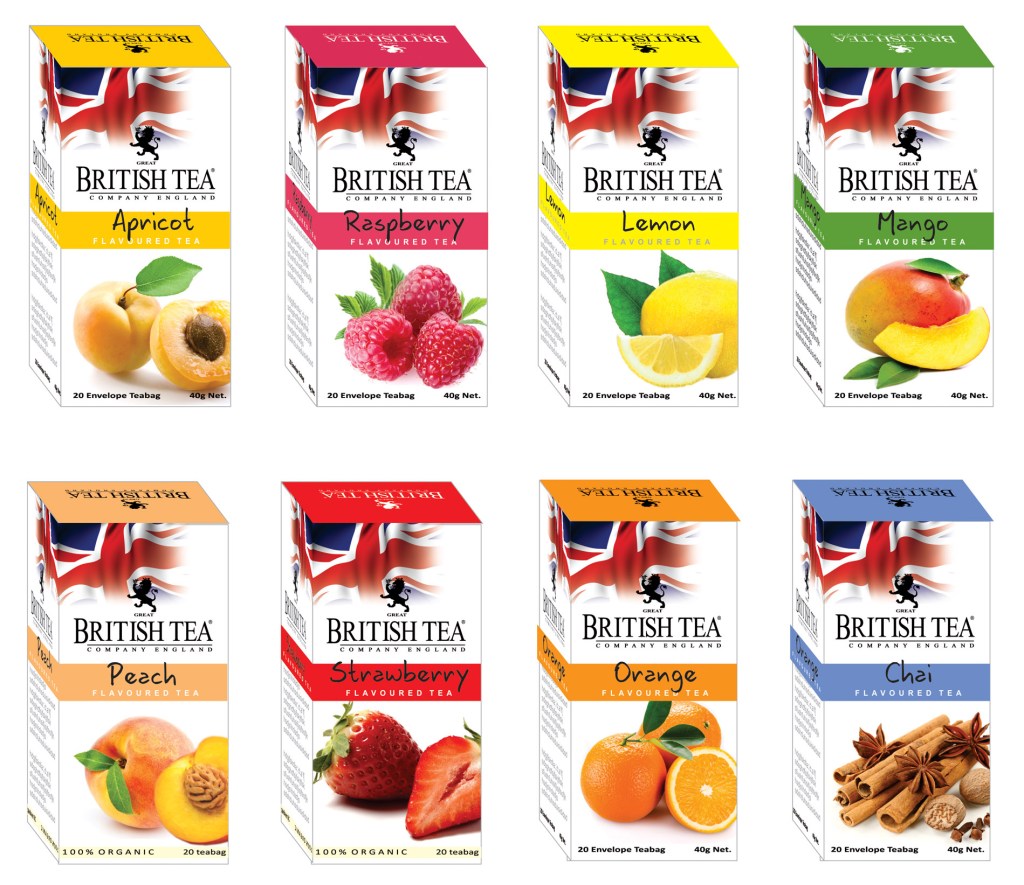
Flavoured Teas: Where Legends Get Infused
Then there’s flavoured tea—the jazz section of the tea world. Spicy, fruity, floral, or smoky, these are the blends with stories to tell. And two of them, in particular, have brewed up quite the legends…
☕ The Curious Case of Earl Grey
Ah, Earl Grey—the suavest tea in the tin, scented with bergamot oil and shrouded in mystery.
Legend has it the second Earl Grey received the blend as a diplomatic gift from China. Small issue: he never actually went to China. So… tea, anyone?
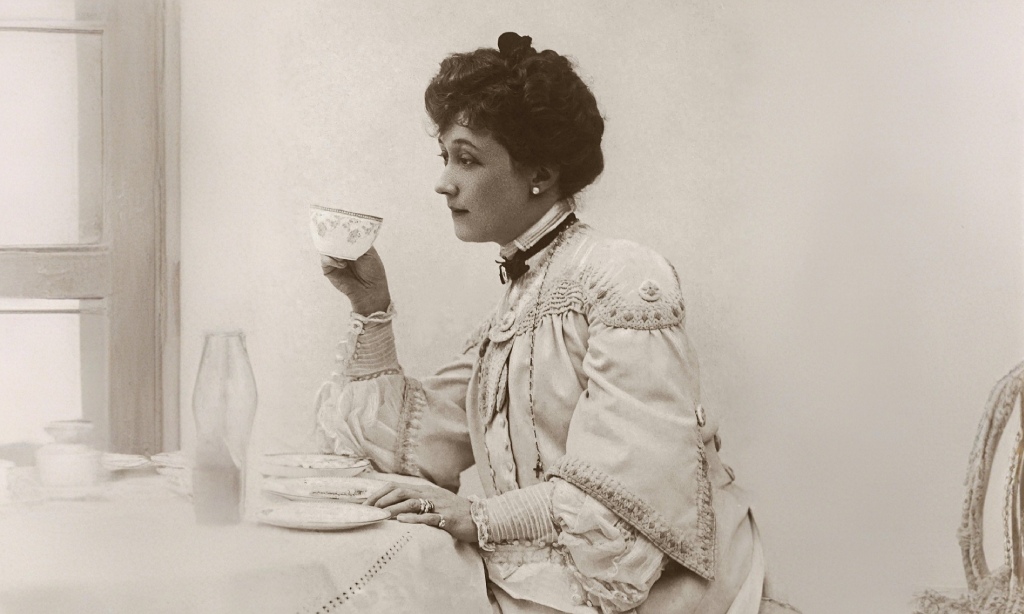
The truth likely lies closer to home. In 1793, Sir George Staunton, a tea enthusiast, visited China and noticed that locals often flavoured their brews with citrus peel. Around the same time, the ever-curious Joseph Banks (the botanist from Captain Cook’s crew) was dabbling with essential oils in his Soho basement tea salon. He likely experimented with bergamot—an intense, floral citrus grown in Calabria, Italy—and found it paired beautifully with black tea.
So why name it after Earl Grey, the Prime Minister at the time? Simple: branding. The newly wealthy urban elite adored him, and the name added a touch of prestige. Whether he drank it or not, the Earl became tea royalty.
☕ Charles II and the Cinnamon Conundrum
Rewind to 1664. King Charles II was back on the throne after the Puritans had their fun, and he had some rather exotic tastes—especially in royal gifts.
He expected every ship from the East India Company to deliver strange and wonderful creatures: birds, beasts, maybe the occasional monkey. But one day, the Company turned up empty-handed. No parrots, no peacocks—just a boatload of panic.
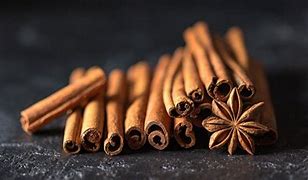
Desperate not to disappoint the monarch, they rummaged through their cargo and produced a last-minute offering: a silver case of oil of cinnamon and some exceptionally fine tea.
This was reportedly the first time Charles II officially received tea. And here’s the spicy bit: some believe he combined the two, creating one of the first spiced teas in Britain. No animals, no jewels—just cinnamon tea for a king. Not a bad compromise.
The gift clearly went down well. Tea imports surged soon after, and England’s love affair with tea began in earnest. Who knew that a botched animal delivery could change national drinking habits forever?
Behind Every Cup, a Story
So the next time you cradle a mug of Earl Grey or spiced chai, remember—you’re not just sipping hot leaf juice. You’re tasting tales of emperors and explorers, botched trade missions, brilliant botanists, clever branding, and a whole lot of accidental genius.
Because tea, as it turns out, is never just tea.
It’s travel. It’s trade. It’s history—with a twist of bergamot.
 Poyekhali !
Leave a comment